Friday, 29 July 2011

Motors - The In's & Out's of Purchasing

In’s & Out’s Of Purchasing  

Ok, so you’re needing or wanting to buy a ‘new’ car to replace your current workhorse. How do you go about purchasing said car? Or even what’s the process of getting rid of your old beast?

Do you know what to do when your looking around dealerships? Do you know how much your old car is worth? Do you even know what your looking for or how much it will cost?

Most people, if they’re being honest, have to answer ‘No’ to some or all of these questions and that’s what this, admittedly rather bland, article will be about.

For some, buying a car is a a process that seems as simple as quantum physics, and for a few really unlucky ones, it seems even more complex than that! However it will surprise many to know that it’s a very simple thing to understand and get a damn good deal out of, if you’re prepared to put in the extra bit of effort required.

Ok, so let’s start with the car you currently own.

Most people, including me, can’t buy a new car before selling the old one first. So what do you do? Many will use it as part-exchange on the new one.

Basic part-exchange or ‘part-ex’ is simply a discount on the list price of the car you’re buying, so if your car is worth £1,000 and the car you’re buying is worth £3,000, then the simplest part-ex means you give the trader your old car and the new car costs £2000.

Most people don’t have the cash to pay for a car upfront, so dealers basically loan you the money and you pay it back over time with a percentage on top, so be aware that finance on £3000 means you’ll pay more than £3000. Be aware of this interest rate and be prepared to negotiate on it.

Or you can sell your car privately through eBay, Autotrader or the many many advertising and auction places out there. They all work on a percentage fee basis, allowing you to advertise your car and they take a slice of the price you sell it for.

This is a great way to sell a car as a private sale will usually net at least 10% more than if you used it for a part-ex deal.

Researching:

To get rid of your current car in either of the above circumstances means knowing what your car is actually worth. Do you know what your car is worth?

Again, your honest answer is likely to be ‘No’. Even if you knew what it was worth when you bought it, it doesn’t mean it’ll be worth anything near that now, particularly if you bought it new.

So this is where that little effort is required, as you need to do your research.

The easiest thing to do is to consult the very places you’ll look at when searching for the replacement to your existing car.

Autotrader is one the best places as you can find your exact car, then it is simply a case of finding the trim level and engine of your car and is an excellent place start, however you need to know everything about your car.

You can tell the obvious things like whether it has a CD-Player, Air-Con, and alloy wheels, but how many airbags does your car have? Does it have power steering? What equipment is standard, what is extra? These are things many people don’t know, especially if the car has been purchased second hand.

For this, you need a slightly more comprehensive website, for me personally I go to Parkers.

They primarily review cars, but go into detail about the specifications of the cars they review, which includes detail about the equipment list of the various trim and engine levels of many makes and models. This detailed level of information means you can see what is standard and what, if anything, is extra. Along with this, the review section also shows a rough depreciation graph suggesting what the model would be worth over each year of it’s life.

Now you know a little about your car you need to get on with making it sellable. Firstly you need to give the car a thorough clean, both inside and outside and get the car serviced or ensure basic maintenance has been carried out, such as an oil change/top up, water level check, and fuel & oil filters as well as checking tyre and brake conditions.

For many, the price of a service may seem pointless, but if the car appears clean both inside and out and has recently had some sort of basic maintenance carried out, it can help secure that extra bit of value. Trust me, that little bit of effort will help enormously.

A little research into the value of your current car will arm you well when you come to deal with dealers. If you go in knowing exactly what your car is worth, both statistically and in real, market terms, then you will know whether the dealer is trying to sell you short or is offering you a genuine price for your car.

Be aware, that the dealer has to think about how he will sell the car on, which is why you have to expect to get a little less than you would if you sold the car privately.

At some point you will apply the same research process to finding the sort of car you want to replace yours with. If you don’t, a dealer could tear you apart and sell you a car that isn’t what you really want and sell it to you for several hundred quid more than he should have. Always make sure you know what you want, but we’ll come to that later.

Terminology:

This is the area where most people are seriously intimidated. All those abbreviations and terms that seems to be a list of gibberish. It’s nothing to be ashamed of, and if you can learn a few of the basics, you make sure you have the best chance of finding the car you want.

Of course, almost everyone knows what ‘ABS’ means, or at least what it represents, but what about ‘EBD’ or “ESP’? ‘TC’? ‘EW’? How about ‘PAS’?

Didn’t think so, so below is a nice little table that’ll help you get the common ones, and a few less common ones as well.

This is by no means a complete list, but this is a list of most common abbreviations. Some you don’t see any more and are now just written out except in classified papers where space is at a very premium.

Learning these 20 or so abbreviations will give the ability to appear as if you know your stuff and all you need is for it to look like you know your stuff.

Also be aware things like Traction Control have many different names as quite a few manufacturers give their own name to their own system.

Negotiations:

Ok, your car is ready, you know what you’re car has on it and how much it should be worth, time to get out and onto the forecourts and to meet the dealers and salesmen.

When it comes to negotiating, or ‘haggling’, many people are either too scared, too lazy or feel they have no bargaining room to be able to haggle. The first two are easily solved by realising a few simple facts; firstly, no matter how nice and friendly the dealer might be, they are still wanting to give you as little as they can for your old car and sell the new one for as much as possible because this is how they make their living. Secondly, you are the one with the power, not the dealer. You are the customer. Without you, they sell no cars and make no money and go out of business. Finally, never be afraid to tell the dealer ‘No’ and walk away, you are the customer, it’s your money that’s going on the car, not theirs so don’t be told what you want or need. Keep these facts in mind when you go out to any dealer.

Don’t be afraid to tell the dealer that your car is worth more than he’s offering. If you know your car can be sold for £1000 and they are offering £500, you know they are trying to con you out of your car’s value, so tell them. Tell them it’s worth £1000, or that you’ve been offered more somewhere else. You’ll be surprised how quickly they’ll change their offer to you. The other thing NOT to do is admit any damage or faults with your car. If one of the electric windows doesn’t work, you haven’t got it repaired and they don’t check it, then that’s their problem. You want the maximum value you can get for your car and if they can’t be bothered to check the car properly, then why should you tell them? They might be lovely, very friendly people but they are still a business wanting to make profit from you, don’t help them any more than you have too.

Again, don’t be afraid to negotiate, if you’re sitting there thinking your car is worth more than what you’re being offered, say so. If it’s got plenty of optional extras and you’re being offered the value of a stock example, tell them so. Remind them that your car has those extras and ask them why they’ve offered you that price and ask them to reconsider.

An experienced dealer will know the signs of an easy sale and even if you are an unsure buyer, there is no need to advertise that. You’ve taken the time to learn about your current car, but what are you looking to replace it with? A car, obviously. But what car? A saloon, a hatchback, an estate? A petrol, a diesel? What does it need to have? CD Player, air-con, power steering? Do you want to get the same brand or are you put off certain brands? And importantly, how much are you willing to spend?

Again, do your research, know what kind of car you need and find out who are the good, the bad and the terrible models in the category. If you want a city hatchback, is a Vauxhall Corsa the best choice or are there alternatives that are as good or better that you don’t know about? If you’re armed with this information, you are in a position to be able to tell the dealer exactly what you want and need. It will tell them several things; firstly, you know what you’re talking about, even if you only know about a few cars that you’ve put onto a short-list, and secondly they’ll know that they can’t just sell you anything at any old price.

It will probably surprise you to know that most dealers know surprisingly little about cars, they in fact usually know about the cars on their forecourt and very little else. I’ve come across dealers that sometimes don’t even know that much and I’ve been able to tell them about the car I’m interested in.

Test the dealer, do a little looking around, go away and research the cars you might be interested in then come back and question them on those cars, you know the answers, but do they? If they don’t, you strengthen your position even more, so when it comes to negotiating the price you are the one with the power.

Again, don’t be afraid to tell the dealer you’re not interested in their offer and walk out. Which ever way you cut it, they’ve just lost a potential sale. Certain cars, because of their popularity or brand are difficult to haggle and the dealer will know this. It’s at this point you have to be rather clever.

Negotiate in stages, it’s hard work and can be tiring but persevere. Negotiate your old car first, press them for as much value as possible, pitch part-ex offers against each other and see if you can wangle a good price.

Then move onto the price of your new car. If they are refusing to budge on the up front price, see if you can get a better finance rate. If at any point they have to go ask their manager, it means you pressing them hard. Asking to speak to the manager is card you can play yourself with a stubborn salesman, but it’s a one time hit, use it on the value of your car and you’ll struggle to get them to budge further on.

With the prices fixed, the dealer will think he’s got his sale, now it’s time to really turn the screw and discuss extras. This is usually the point buying any car is finished, but there are still certain things to be gained.

Lets say you’ve just agreed a deal for you old car and your new one, how long is the tax going to last on the new car? When will it need an MOT? How much fuel does it have on board? Main dealers usually have MOT and servicing facilities on site and often get discounts on fuel, so use that. Most dealers do now service and MOT a car as a matter of course, but make sure ask the question, test them. A short amount of time left on the current MOT means the car has had a year to develop issues and problems, you don’t want to buy a white elephant after all so make sure an MOT and at the very least a service is done before you take the keys.

As for fuel, well prices at the pumps are bloody expensive and you still want a good bargain. If you’ve noticed that car your buying is nearly on reserve fuel, then make sure you point that out and point out that you’d prefer a full tank, safe in the knowledge you’d be happy with half a tank.

The same can be done with your old car. Why give them a full tank of fuel? Run the car as close as you can, don’t give it away with anything more than quarter of a tank of fuel. Why? Because the dealer is thinking the exact same thing.

With that done, no matter how intense the negotiation has been and whether you have come to an agreement or not, be sure to smile and shake the dealers hand. At the end of the day, their job is to make money from selling cars and you want the best deal for your money. It’s nothing personal at the end of the day.

Conclusion:

This is simple, and hopefully this message will have stood out; do your research and know what you’re negotiating on and for, whether it’s your current car or the one you want.

All this may sound like hard work and to some extent you are right, but then a car is an significant purchase. It’s not like you’re buying a toaster or a kettle, statistically only buying a house or having a wedding is larger financial investment.

The other thing to remember, is the car you buy will be your car, so taking the time to know what you want and how to get it is important.

Simply follow these points and you should get a decent deal:

1. Know what your car is worth in the current second hand market.

2. Lavish a bit of TLC on your old car before selling it.

3. Know what sort of car you want to replace it with, draw up a short list of 6 or more cars and research their value.

4. Go out and look at some cars, get yours valued, then go home and think about it all.

5. Go back to the dealers who offered you good deals and bag a test drive.

6. Negotiate. Negotiate your old car, negotiate you new car, negotiate the finance and negotiate the extras.

Follow the process and you’ll generally be pleased with what you end up with and you might even find it an enjoyable process. And if you are still too scared, take someone with you who knows and understands the process and provide you with moral support.

MD

Monday, 11 July 2011

Formula 1 - Lewis Hamilton

Lewis Hamilton 
 

With the British Grand Prix now over, the post-mortem can begin. Ferrari seem to have worked out which drawer they hid their mojo in, while McLaren continue to slip backwards from Red Bull’s pearless march towards consecutive Drivers and Constructors Championships.

McLaren’s problems currently stem from the inability to get both drivers to the finish. In the last three Grand Prix’s, McLaren have had one car fail to make the checkered flag two times. And on both occasions the reason is the same: everyone is trying too hard.

Candian GP 2011
At Button’s pit stop, the chief mechanic is so desperate to get Button out of the box as fast as possible, he reacts to the front right wheel man’s movements to grab his spare wheel gun, releasing Button with only three wheels attached.

As for Hamilton who tried one too many audacious overtakes at the Canadian GP, causing a drive shaft failure for himself and almost taking out eventual winner and team mate, right under the nose of the team after having a collision earlier with Mark Webber.

However, rather than berating the young Brit, Webber in simply pointed out that the checkered flag isn’t on lap three.

This is Hamilton’s problem. It’s no secret that has made more overtakes than anyone else this season, and that the McLaren isn’t a match for the Red Bull, but he suddenly feels the need to over take the entire field within one lap.

Is this arrogance? An expectation that other drivers will jump out of his way? Or, as legend Niki Lauda suggested, is Lewis just “completely mad”?

Turkish GP 2012
Personally, I believe it’s none of these things. What he needs to do, is relax. There is no denying that Hamilton is one of the best drivers ever to take to a Formula 1 car. His eye for an overtake, his bravery and composure are breathtaking to watch and when he is relaxed and enjoying his racing, he has a maturity that allows him to make sure his overtakes are fair. Just look at the racing he and Button have had against each other. On several occasions we’ve been left admiring the respect and fairness the two McLaren drivers have for each other while their wheels are a card’s width apart. This includes the 2010 Turkish GP after the two Red Bull’s smashed into each other, the two McLaren’s got very up-close and personal, but not even a puff from touching tyres was seen.

This is Lewis Hamilton when he is relaxed, composed and having fun.

However, jump forward to 2011 and we see a frustrated Lewis Hamilton who can’t win races, can’t keep up with the Red Bull’s and now is falling behind the Ferrari’s after starting the season with a notable advantage over the scarlet cars.

The problem is, Hamilton is a racing driver of the purest type. He is the sort of racing driver that you simply stick into a car, place that car on a track, and let him go. That driver will then haul said car around said track as fast as it can be hauled. No more, no less. Ask him to slow down to save tyres or fuel, he’ll either ignore you, be confused by the concept of going slow, or rant and rage at how the car isn’t good enough.

And we have seen Hamilton ignore the team call to slow down and we have seen him ruin tyres quicker than his rivals, but setting astounding lap times in doing so. Hamilton is a driver that races a car at 100% of it’s abilities, and this inevitably leads to him demanding more than that from his car.

It’s not all doom and gloom. In China Hamilton made some incredible overtakes and was rewarded for his exceptional drive with the victory. But as the season has ticked away, he has watched the Red Bull team streak away and frustration has set in.

Monaco GP 2011
This has been evident since Monaco. Not only did he start from 9th while his team mate started 2nd, he was taken on Lap 1 by Schumacher at the hairpin. His body language has screamed ‘frustrated’ for a while and this was shown when he attempted a pass of Massa at the hairpin.

However, because he is trying too hard, wanting to make overtakes that can’t be made, he ran out of room as was always going to happen, banged into the side of Massa and we then got to watch the McLaren understeering, needing a paint swap session with the Ferrari to make the turn.

It’s not as if he can’t make the mouth-open overtakes. At Monaco, he later got one back over Scumacher at Turn 1 thanks to the DRS, getting up the inside, making the apex and making the overtake stick.

Monaco GP 2011
This is the sort of racing that has earned Hamilton plenty of fans, including myself. He can make moves that most other drivers wouldn’t dream of, or would never be able to manage without smashing the car into little carbon-fibre shards. Anyone remember Takuma Sato? A brave and daring driver who made some extremely brave moves, quite a few ending in a mess.

Unfortunately, in his current state of mind, Hamilton is prone to moments of madness, and after the restart attempted the same move from much further back on Pastor Maldonado, the impressive Williams rookie. The Williams driver decided he was going to defend his position, as he is perfectly entitled to do, taking an early apex. Hamilton, with his death-or-glory move, ends up jumping the kerbs, tagging Maldonado, who ends up with broken rear suspension and front wing from the resulting accident.

Monaco GP 2011
Personally, I think this is racing. You’ve got 24 of the best drivers in the world sharing a few miles of road. It is inevitable that they are going to collide. This doesn’t absolve Hamilton from blame, despite his protests, on both occasions, Lewis shouldn’t have had the nose of his car where he put it and was lucky to finish the race.

To me, this is where a good, strong team boss is needed. After Monaco, Martin Whitmarsh should have sat Lewis down, had a few words about chilling out, relaxing and not worrying. Ok, the boy wants to win, and so he should. McLaren are as big and successful as Ferrari and Lewis is a talented driver who has all the stuff a champion needs.

However, McLaren should be pointing out that the 2011 championships are gone. There is almost no possible way for McLaren to take either title. And neither do they deserve them, they have not had the fastest car or the best package this season and are now only third best thanks to Ferrari’s revival.

I’d be telling my driver to get out and enjoy himself. Forget the title, forget beating Vettel, forget everyone. Just get in the car, go out and drive the wheels off of it.

Instead, we arrived at Canada and Hamilton still had that frustrated look to his body language. And what happened? He collided with Webber almost instantly, and was lucky not to damage either his car or the Red Bull.

Not long after that came one of the talking points of the season; Hamilton’s attempted overtake on Button.

The story is well know by now: Hamilton gets a better drive off the last chicane, pulls outside of Button to get the best position for Turn 1, just in time for Button to move onto the normal line. Touch, bang, Lewis is out.

Somehow, as Hamilton’s front right wheel touches the rear left of Button’s car, Jenson’s doesn’t end up smashing into the pit wall, something that would have resulted in both McLaren’s retiring. Button’s radio message of “What is he doing?” is a damn good question and the answer is simply that Hamilton, in his desperation to make something of his season is pushing too hard, expecting to make too many overtakes.

The Now Infamous Hamilton/Button Collision
As a result, Hamilton ends up with a bent drive shaft and retires. DNF.

How Button’s car remained undamaged is a mystery to me. While the suspension of F1 cars can absorb plenty of lateral movement, they do not like being placed under compression, i.e. Being hit by another car. Any fan of F1 will know how easily suspension components break, even over a seemingly innocuous touch.

And so here we are, with Hamilton now having dropped to fourth in the Drivers Championship from a clear second, with 95 points between himself and run-away leader Vettel. And even worse? Hamilton still appears frustrated and angry. He has even begun to respond to the criticism of pundits and commentators, saying he “couldn’t give a toss.” when asked about his thoughts on Lauda’s comments.

I take it as a bad sign when a driver has this sort of response. It suggests that he is not happy at all and that this anger is spilling out into the unforgiving media spotlight.

Again, this isn’t something I think I Lewis’ fault. Of course you get frustrated. Vettel and Webber had some seriously unsporting moments with each other during 2010, and Webber took several swipes at his team that season. Equally, Michael Schumacher has looked fed-up on more than one occasion since his return and Jenson has sounded very despondent this season, but this is where a strong leader is needed. Racing drivers want to win, and when they don’t or can’t, they are going to be unhappy. If the team just can’t provide a car to change that, then a leader who can restore the peace is needed.

Schumacher went from sounding like someone ready to retire (again) to sounding like he was enjoying racing again, and Webber has looked and sounded content through 2011, a miracle after some of the problems through 2010 and this is what is needed from McLaren.

For whatever reason, they can’t provide a consistently winning car to Jenson and Lewis, so Whitmarsh needs to get Lewis enjoying himself behind the wheel again.

This means taking the flack from the media, reducing the demands on Lewis, who has said he is being worked hard between races and giving him the opportunity to see in his own time, that the whole team is as frustrated and angry with the lack of victories as he is.

Hamilton is enough of a team player to respond to this and has in the past made a big thing of feeling loved by the team.

If he comes back after the summer break having been able to rest, gather his thoughts, and find that ice-cool attitude that makes driving a Formula 1 car fun, then we will see the champion Lewis Hamilton and his array of talent.

If not? Then sadly, perhaps his days at his boyhood team are numbered, a situation that I would be deeply saddened by.

MD

Saturday, 18 June 2011

Motorsport - MotoGP in 2011 & The Need For Change

MotoGP in 2011 & The Need For Change


I got into motorbikes several years ago, and being an avid motorsport fan, inevitably I take an interest in bike racing. My motorsport interests start with Formula 1, for several reasons.

Firstly, as a form of prototype racing it’s considered the pinnacle of four wheel racing. And secondly, it’s by far the most accessible form of racing available.

MotoGP occupies a similar position within motorcycle racing. The bikes are absolute prototypes, bearing little resemblance to the bikes road users buy. As with Formula 1, the races are broadcast by terrestrial channels, making them convenient for viewers.

And like Formula 1, MotoGP has flaws. Prototype racing is notoriously expensive to enter and develop for, the machines has so little resemblance to road going or even homologated racing machines that every part has to be developed from scratch.

This is where the first problem arrises for MotoGP.

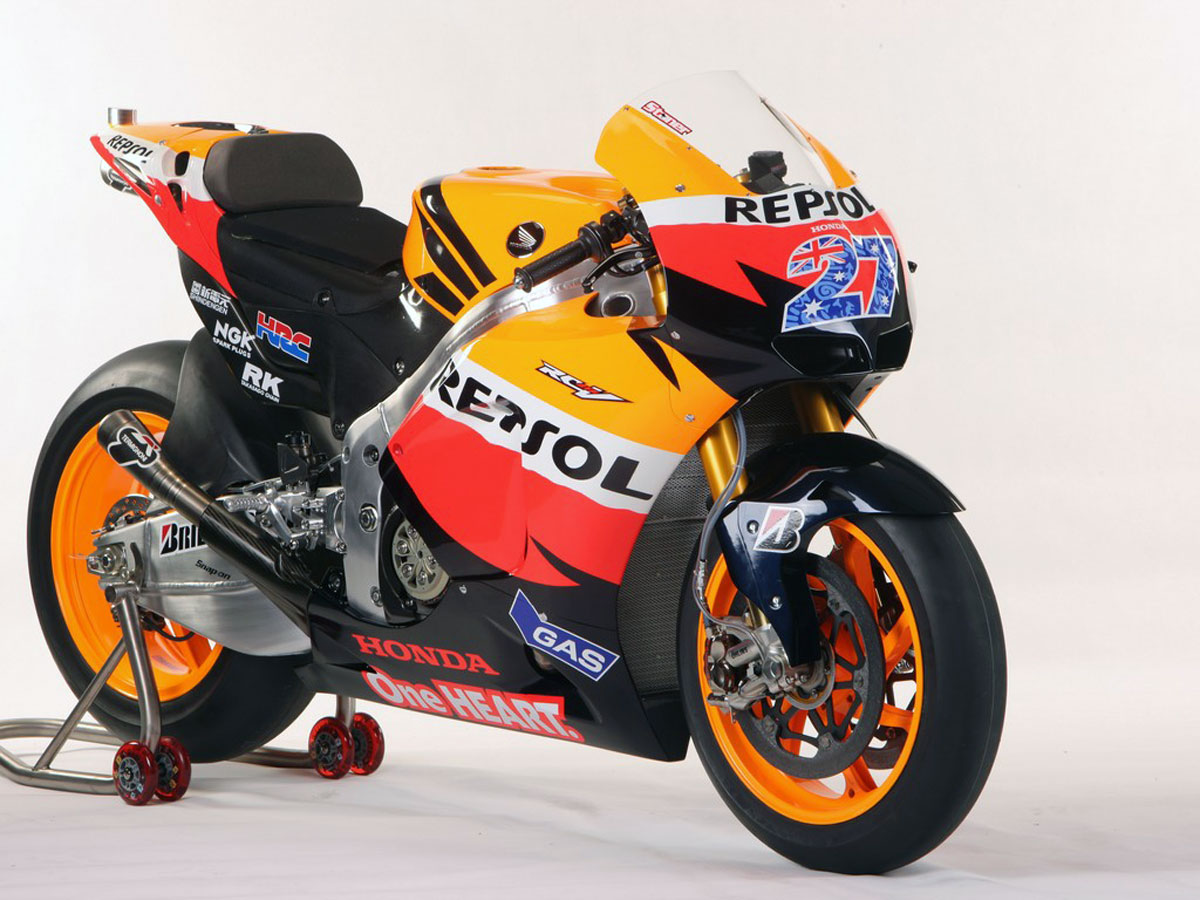
Casey Stoner's 2011 Honda RC212V
With a reported cost of around $46 million for a two bike team, with the bikes alone costing up to around $5 million, the rewards for the company competing have to be well worth the effort. And unfortunately it just isn’t. MotoGP just doesn’t have the financial rewards to make it worth developing for. The sign of this is the lack of privateer development in the sport.

MotoGP has a total of four bikes: The Honda RC212V, Yamaha YZR-M1, Ducati GP12 and the Suzuki GSV-R and the entire grid is made up of just 17 riders and 9 teams, four of which are factory teams.

Formula 1 on the other hand has 12 different cars, developed by 12 different teams, made up of a mix of house-hold names and self-sustaining privateers and 24 drivers.

The ‘satellite teams’ exist purely to race in MotoGP, there is none of the engineering development work that Formula 1 teams like Williams F1 and engine developers Cosworth are involved in. It means that MotoGP relies on MotoGP to bring in new money, new personnel and as it’s status as the premier form of motorcycle racing is eaten up by the advancement toward prototype racing by World Superbikes, MotoGP is struggling more and more to stay alive.

However, this is not really a problem. Prototype racing has been around as long as the respective machines have existed, Formula 1 has been a constructors championship since 1958! Indeed, Formula 1 teams enjoyed record pay outs in 2010, with the 12 teams earning a share of $685 million, the sport certainly isn’t lacking financial worth. And that’s due to being a sport that's pulling in viewers and fans. If the racing is exciting enough, people will go to watch it, buy the merchandise and pay to be involved in the sport.

And there lies MotoGP’s potentially fatal problem. The racing is not exciting.

Races generally start well, places juggling, some frankly brilliant and extremely brave overtaking manoeuvres being made for the first four or five laps, but then everything settles down and the race is more or less over aside from crashes.

This means the viewer experience is reduced to a background watch; the viewer doesn’t need to give the race their full attention, which in turn reduces the interest in it. The BBC coverage currently only covers a few minutes prior to race, the race itself and then the podium presentation. This meant the coverage of the Spanish GP at Catalunya was around 90 minutes long. Total.

In contrast the Formula 1 coverage of the Canadian GP ran for five hours and even switched channels, running from 5pm till gone 10pm, taking the full prime time slot for Sunday.

But why is this? What is it that Formula 1 is doing that MotoGP isn’t? To work that out you simply have to look back just a few years into Formula 1’s past. Prior to the introduction of the 2.4 litre V8 engines in 2006, the engines were 950 bhp V10’s. The power and performance these engines made the cars essentially undriveable. This meant the cars needed traction control and driver aids in order for the drivers simply to get the cars around a track without crashing at every corner, and in turn, the cars were equalled out and the demand on driver skill diminished.

Formula 1 needed to make changes. Viewer interest was falling, sponsors were concerned over the amount of money they were being asked to invest and manufacturers were debating whether the sport was worth competing in. Sounding familiar MotoGP fans?

The sport took drastic action, dumping the massive V10’s, much to the sadness and in some cases anger from fans, in favour of the smaller V8, cutting nearly 25% of the power, with the 2006 Williams developed just 740 bhp. As well this, in 2008, Traction Control was banned and a standardised ECU was created.

Formula 1 hasn’t been afraid to adopt changes and major shake-ups to increase the competitiveness of the cars. The speed and number of changes being pushed through are a subject of debate among fans, but the changes do have noticeable positive effects on the quality of racing.

The rest is mere history, the racing has generally got more and more exciting. The pinnacle of this advance is the fact that the 2011 Turkish Grand Prix set a new record for the number of overtakes in a single race. The sport has a healthy smattering of privateers competing along with big name manufacturers. Indeed, the current Constructers Champion is a privateer team, funded to a large extent by the Red Bull drinks company.

So what does MotoGP do? Well it currently has the problems Formula 1 had back in 2006, the engines are far too powerful and the bikes are almost impossible to control without substantial rider aids such as Traction Control and wheel spin detection. This is due to the bikes having a 240 bhp engine from an 800cc four cylinder engine.

That sounds pathetic compared to the 950 and 740 bhp figures Formula 1 sports, but then the cars must not weigh less than 640 kg, compared to the 150kg for a bike with a four cylinder engine.

Formula 1 realised being the most powerful racing cars did not make them the best, and now you get road going hyper cars which have much more than a Formula 1 car. MotoGP has yet to realise this, take the 1000cc road going sports bikes, with the most powerful of which, the 2011 Kawasaki ZX10R weighs in with around 197 bhp. That’s 40 bhp less while weighing a massive 50kg more! And this is  taking the most powerful 1000cc sportsbike, which are designed to be excellent track bikes themselves!

And if you compare with a road car... The 2005 VW Golf GTi, not a slow car and conveniently also with 197 bhp, but needs a 2000cc turbo charged engine to get it. With this much power and performance on tap, the bikes try to wheelie almost every time the rider goes near the throttle.

This brings up another, this time unique, problem for MotoGP in that the racing is so much more dangerous. Formula 1 has been on a totally purposeful drive towards complete safety, with the last death in the sport being Aryton Senna back in 1994. MotoGP on the other hand suffered it’s last death in 2003.

So what should MotoGP do? Well to start with, they need to make the bikes usable without too many rider aids. This means the rider has to be able to control wheel spin and the front wheel lift, in the exact same way a Formula 1 driver able control the wheel spin and over steer. The problem is that the manufacturers always find ways of keeping the power right up.

So the solution for MotoGP is to force the teams. This process is already in place, by forcing the teams to use just six engines per rider each season, so why no take this further. In fact, why not aid development of litre-class engines that kick out 197 bhp for example and still demand that a rider uses no more than six per season. Prototype racing should contribute to their respective road vehicles by creating new solutions.

Formula 1 has brought in a vast list of things that are great fuel saving measures; moveable/adjustable aerodynamics and a brake energy harvesting system used to supplement the engine for example are the main rule changes for the 2011 season, and what systems are being implemented on more and more road cars... So if MotoGP contributes to motorcycling in general, then it’s net worth increases and that will bring viewers and investors back to the sport.

The issue for motorcycles at the moment is that the relentless pursuit of power and performance has meant fuel economy has stagnated and a £10k car is often far more efficient than a £10k motorbike, negating the point of having a motorbike for a lot of riders.

So if the FIM (International Motorcycling Federation) demanded in the rules that the 1000cc engines that MotoGP will be using from the 2012 onwards had no more than 200 bhp, a rider used no more than six, or even less, per season and the bikes had to achieve a minimum season average fuel economy of say 45 miles per gallon, with the bikes still needing to touch 180/190 mph and adjusted the maximum allowed size of the fuel tanks to ensure this, the bikes would be far more controllable and useable for the poor sod who climbs on the thing and forces the manufacturers who produce the engines for racing and road going bikes to make ones that are capable of returning decent fuel economy, this mindset of fast AND efficient motorcycles will quickly filter down to the average rider, improving the whole of motorcycling, from the must humble 125cc scooters to the mind-numbingly fast sports bikes. And all of this will because the manufacturers were racing in MotoGP.

It’s not all bad news for MotoGP. The riders are undisputedly the best group of individuals to take to two wheels on a track, it’s not hard to appreciate the amount of skill involved in controlling 240bhp worth of motorcycle and achieving lean angles of 60⁰ requires not just jaw-dropping levels of skill but also an incredible amount of bravery as well. And with a strong collection of supremely talented rookies and young riders keeping the experienced old hands honest, MotoGP could have a very bright future indeed.

And while I’m well aware this isn’t easy, or cheap and it does shake up not only MotoGP, but the attitudes of sports bikes to the very core. The idea of reducing power for greater improvements in fuel economy would be considered obscene by the people who buy these bikes, but with the average age of the UK biker rising all the time and interest in MotoGP falling, it seems motorcycling is actually dying out before our eyes.

And if Formula 1 could transform itself from a massively expensive, scandal-filled collection of boring, processional races into the glittering, bright star of gloriously entertaining competition with the ability to recognise the need to contribute new technologies and financial responsibility, surely MotoGP can too, and give motorcycling a reason to keep the champagne flowing?

MD

Monday, 9 May 2011

Review - Nissan Almera 1.5 E

Nissan Almera 1.5E

  
Nissan sports cars hold an enviable reputation for awesome performance, fantastic handling and a tuning ability that rivals any manufacturer. Their more conventional cars, such as the Almera, do not hold such a reputation. In fact much the opposite.

However, they do share the reputation for reliability and build quality on which Nissan also prides itself and this mentality is at the centre of cars like the Almera.

This, the second generation of Almera bares the code ‘N16’, following the ‘N15’ Mk I Almera. It also came with a whole new generation of engines, including a 2.2l and 1.5l Diesel, borrowed from Renault, and a 1.8l petrol and the 1.5l petrol featured here.

The car was based on Nissan’s MS-Platform, which was co-developed with Renault and also underpinned the Mondeo-sized Primera saloon and Almera Tino MPV.

The range of the Almera featured a large array of trim levels with Air Conditioning available in all trim levels except the ‘E’ base trim level, which we are featuring in this review. However, back in 2000, the base car; the 1.5 l ‘E’ model was available for just £9,269.

The engine in our car is the QG15DE engine was new and used Aluminium for the cylinder block as well as the cylinder head. Originally, the engine used a mechanically operated throttle, although this was updated to use an electronic, fly-by-wire throttle. Despite this older throttle control system, the engine is very modern in design. As well as an all-Aluminium construction, it also features variable valve timing, as well as direct injection, a system currently being implemented by many manufacturers in 2011, as it’s seen as a necessity to improve engine efficiencies.

The engine we have is a 1497cc, 16v DOHC, four cylinder engine originally developed 88bhp at 5,600 rpm and 94 lb/ft at 2,800 rpm, however the engine update, increased power to 98 bhp at an improved 4,400 rpm and 105 lb/ft of torque at 6,000 rpm. This is the engine in our test car here.

These figures allowed the 1265kg Almera to reach 62mph in 13.8 seconds and can reach a top speed of 107mph, putting the 10 year old Almera on par with the £10,000 1.2l small car that is standard fare in 2011. Despite these ordinary figures, the 1.5l engine pulls well, with the VVTi system giving the engine a decently flat torque curve, and making the engine feel far more muscular than it is. Both engines are good, but the more powerful revision definitely the better choice.

As we’ve mentioned before, a sign of a low tuned, but refined engine is a high torque to power ratio, and in the case of the Almera, with more torque than power, the engine is very refined, with a good throttle response, even on the old, mechanically throttle controlled engine.

Looks wise, the Mk II Almera is quite a decent looking car, even our Bottom-Feeder gets the same body kit as the top model. The flat hatchback and the three doors make the bonnet seem longer than it is, while the wrap around headlights make the front look pointed. The lower air dam looks like a proper sports car splitter, although serves no performance purpose, and the fog light positions are well designed into the bumper.

The rear bumper is less interesting, but the whole rear end is well designed, the light clusters fit well with the shape of boot lid and the trapezoid shape of the hatch window combining to give the car a wide, low appearance as well as good visibility. The only real let down is the steel wheels, with alloy wheels only available from the ‘Hurricane’ trim level, 4 above the base ‘E’ trim. This car is the epitome of our declaration that every five door car looks so much better as a three door.

On the handling front the Almera is inoffensive and competent, a typical characteristic for a car like this. It uses MacPherson struts at the rear and Multi-Link independent rear suspension, and with the 2003 facelift, Nissan revised the damper settings and spring rates to improve the handling at the limit while maintaining the refinement level at normal speeds.

As you might expect for a car with a Multi-Link, rather than Torsion Beam, rear suspension set-up, the Almera is surprisingly agile. Like the engine, what seems an ordinary and uninspiring set-up is actually rather good. We discovered this same thing with the Micra road test as well, and many of its characteristics are present in the Almera.

The power steering system does have a numbness that afflicts electrically assisted units, but is reasonably direct and the car does go where you point it, giving a feeling of agility, accuracy and confidence inspiring. While it is far from being a class leader, even when it was new, it at least offers enough competence to allow it to be competitive with new cars. The ride is good too, although high frequency bumps do unsettle the ride to a fair extent, but for the most part it remains smooth and competent.

There is a degree of engine noise that penetrates the cabin, but the engine note is smooth enough that it provides information rather than irritation. The same can be said of wind noise, which again penetrates the cabin to a level that is no worse than a minor annoyance at worst.

The interior is the area where the Almera let’s itself down. That said, the car was released 10 years ago, with even the face lifted models now up to seven years old, and it isn’t the build quality that’s a problem, it is the design of the interior that is shabby.

While the materials are the traditional, ugly, hard grey/black plastics, they aren’t flimsy or of a poor quality, something that is reassuring, even on our 51-Plate car that is now nine years old, implying that the interior will survive as long as the mechanicals of the car.

The dash is clear and concise, with the Speedo the largest dial in the centre, the rev counter to the left and the fuel & temperature gauges to the right with warning lights and trip computer below them. Sat-Nav equipped, high end models get a different, far better looking dash than the lower models.

The steering wheel is a fairly large but inoffensive item, comfortable to grip and hold but mostly only for ordinary driving. The centre console is the let down here, showing the age of its design, however it is a decently laid out arrangement, with the Nissan customary storage bin at the top of the centre console, replaced in top-end models with the LCD display for the Sat-Nav, with the unbranded radio-cassette unit and heating/ventilation controls just above a small cubby hole and 12V supply.

The front seats are fairly comfortable, with no outstanding areas of support. They’ll provide plenty enough support for the average journey but are not made for high performance driving. There is a good amount of adjustment on both the seats and the steering wheel and the controls for seat adjustment are easy to get hold of.

The pedals are reasonably well placed, mainly for comfort and the clutch is light and predictable making it good for traffic use. The gear stick has a fairly long throw on it and the occasional missed gear will result if you’re going for fast changes.

The rear is somewhere that might draw complaint as the seats are only one step up from a slightly contoured bench and can cause a fair amount of discomfort if used for long periods. Leg room can also be a problem if the people in the front & rear seats are six footers, but for the most part, the Almera is a decent sized car for passengers. The doors are enlarged over the five door variant and while getting in and out of the rear is more of a chore, it is perfectly acceptable and far from being the worst three door variant ever created.

The boot doesn’t suffer either, able to contain 355 litres of luggage, making it slightly larger than an equivalent age Focus and not a huge amount smaller than a similarly aged Astra. There are some fairly sizable wheel arch intrusions, but the boot lip obscures them to some extent and cargo nets are available which allow the boot space to be maximised. The seats also split fold 60:40 though not fully flat.

On the kit front, our car really shows its status as the Bottom Feeder of the range, with no Air-Con or alloy wheels available, not even as a cost option. Paint options were the only real choice you had to make, with ABS listed as optional, it was worth spec-ing if just to help second hand values.

The standard kit includes power steering, electric windows, 4 or 6 speaker system, radio/cassette which was upgraded to a single CD-Changer in 2002, steering wheel audio controls, a second 12V socket for the rear passengers, a single driver airbag, remote central locking and a full size spare wheel. If you want Air-Con, as we mentioned, that’s the next spec level up.

As you might guess, for a car that was under £10k a decade ago, the Almera ‘E’ can be picked up for a pittance today. However there aren’t as many around as you might expect, for the 2003 face-lift, the ‘E’ trim was dropped from the range, making Air-Con a standard fitment for the entire range, however a high mileage or poorer condition example can be had for under £1,000 or even lower than £900, although as you can imagine these are risky propositions.

A 2002 registration year example with low mileage will cost no more than £3,000, likely to be just short of that, these will have the electronic throttle control and power increase while 2000 & most 2001 models with have the 88 bhp, mechanical throttle engine. Both engines will get the job done but as ever with cars of this age, get the most expensive you can afford.

The running costs won’t be a total deal breaker either. As you probably realise, this engine isn’t as efficient as the £10k car of today, however it is still capable of 42 mpg on the Combined cycle, a testament to the innovative engine tech that Nissan used and which is impressive when you consider the age.

Emissions are where the Almera really can’t match new cars. The 158 g/km of CO2 place the Almera in Tax Band G, so will cost you £165/year for your tax disc, a surprisingly high cost that could offset the low purchase price and is the price that often has to paid for a cheap second hand car.

Insurance is also respectable and comparable, with the Almera rated to just Insurance Group 4E via the old system, Insurance Group 14 via the revised system. This makes it slightly more expensive than little £10k city cars, but the Almera is a much larger car than those.

Conclusion

As with the Micra we tested a few months ago, the Almera 1.5 E does surprise a huge amount. What looks on the surface to be a poorly equipped, decade old take on the out-dated hatchback is actually a surprisingly competent car, a long way from the rubbish than many car makers still offer today.

It’s a car that is highly likeable but lacking in any standout attributes that a congested market demands, and Nissan has moved away from the traditional hatchback after dropping the Almera in 2006. However it means that this decent car can be had for very little money with little extra expense on running costs.

The three door is also a fairly good looking car. And for a car that can be had for a Grand, you could do much, much worse, even if you bought something brand new. Ok the interior is a dull place to look at but at least it’s been built properly.

It boils down to two points. Firstly, for a ten year old design, the engine and shape can still stand up to scrutiny, and secondly, it’s a Nissan, and like many Nissan cars, if you just need a reliable car that can get from A to B without fuss, the Almera is worth a good look at.


 Nissan Almera 1.5 E

Engine:  1497cc DOHC 16v In‐Line 4
Power: 88bhp @ 4,400rpm
Torque: 94 lb/ft @ 2,800 rpm
0-62mph: 13.8 Seconds
Top Speed: 107 mph
Fuel Economy: 42 mpg Combined


MD

Friday, 25 March 2011

Motors- 2011 Geneva Motor Show


The 2011 Geneva motor-show is in full swing and there is plenty of concepty tat that most people who have an interest in actual cars will have little or no interest in what-so-ever. My favorite example from Day 1 is Smart, who have produced this, the Smart Forspeed, which looks like the Smart Crossblade, but is however an electric car. Nothing wrong with that is there? You ask, and the answer is ‘No’ if I’m honest. However, what does irritate me/make me laugh, depending on my mood.

It’s not that it has a top speed of 75 mph from it’s 40 bhp worth of electric motor, or that it has no roof, or even that it follows the trend of using a smartphone or tablet instead of dials or a centre console.

No, what ticks me off about the Forspeed is that they’ve gone to the trouble and expense to create this car but, according to the head of Smart, Dr Annette Winkler, the Forspeed will never make production and it’s simply a brain-storming session for bits that might be included in future Smart cars. Maybe. One Day.

So, I’m going to ignore total show car rubbish that will have no bearing what so ever on your actual purchasing habits in the near future. However, I thought I’d bring you a few models that will, at some point make production or evolve into something that we will be looking at in show-rooms in the near future. As the show goes along, this will become a useful idea of what you may buy from 2012 and onwards.

Firstly, I’m going to start with Toyota. Now to be clear, I despise the Prius, especially the Mk I, which was just a blatant lie when it came to it’s relative economy, which would be no better than a diesel Polo anyway.

However they are showing the next generation of Yaris, starting with the Yaris Hybrid, which will use the same basic underpinnings as the Prius, but with either a 1.3 or 1.5 litre petrol engine glued to the electric motor. For those of you who don’t know, ‘HSD’ means ‘Hybrid Synergy Drive’, Toyota’s way of saying ‘It’s a Hybrid’.

Now, this is a concept car, however we know this is a preview of the looks for the next-gen Yaris, a car built in Europe, more specifically France, for the European market. I have to say, I’ve always thought the Yaris was a nice looking car, and this would be a nice evolution, adapting the Prius face nicely and creating a car that is less cute.

The lack of mad bumps and bulges is a good hint that this is a preview car rather than a concept, although, admittedly ignoring the wing mirrors that are cameras, not actual mirrors.

The rear diffuser will be designed to aid aerodynamics which improve fuel economy and the sensibly sized and positioned lights give us a good idea of what the next Yaris, due in the second half of 2012, will look like.

Personally, it’s a bit of a looker, certainly able to challenge the Fiesta on that front. To drive? Well history is not on the Yaris’ side but expect it to be an improvement over the current model.


Sticking with Toyota for a moment, we find this. No it’s not a new bat-mobile, but in fact, a car I have previously declared might never reach production: The FT-86. Well, the FT-86 II.

The FT-86 II is a car for Toyota to show us what they’ve spent three years doing since they first promised us a real sports car. Since Tokyo 2009, it’s been delayed and delayed for a myriad of reasons.

The main differences between the FT-86 and this car, apart for the mad body kit, is the much raised bonnet level, which would have failed pedestrian safety tests, despite this being a corner-stone feature of the Boxer engined car. Toyota claim this is “the clearest indication yet as to the final design of Toyota’s next sports car” although I’m still yet to be convinced it’ll ever make production.

In truth, this car is here to try re-stir the interest that originally surrounded the FT-86, however if it does reach production, 2013 at the earliest, this is probably what it will look like.

From Toyota, I thought I might stay ‘grey’ and talk about the VW Group. Starting with Skoda. Now this car, I admit, is pure show car, with one very significant exception; this is not a show off of new tech, or the engineers wet-dream, but what Skoda’s will look like in 2012.

The car, called the ‘Skoda Vision D’ is an Octavia-sized hatchback and evolves the current design language, borrowing a few ideas from VW such as the narrower headlights but retaining the Skoda grill. The car also shows a greater distinction for the rear quarter of the car, a statement that Skoda wants it’s cars to be more recognisable from all angles

It also previews the revised badge, which will start to phase in along with the new front end from next year. It is pretty much what we’re used to, but with greater visibility, chrome treatment and stronger colours, the Vision D is a statement that Skoda is no longer afraid of it’s cars being recognised as a Skoda.

In all honesty, I think this design gives Skoda closer links to the current VW front end design, which would reinforce the sub-VW positioning of Skoda, a placement that has seen Skoda break it’s new car sales record two years running thanks to the massive leaps in quality without the leaps in price, proving sub-brands do work.

Like with the Yaris HSD, I think the Vision D looks a sensibly designed car, the reduction of the rear overhang creates a much larger interior without sacrificing boot space, and the rear light clusters look like they came off a current Fabia. I wouldn’t be too surprised if the next Octavia was an evolution of this car when it comes along.

VW itself has something of a blast from the past for us this year, by reintroducing the Golf Cabriolet. It is exactly what it sounds like; a Golf that has had the roof cut off and replaced with a folding canvas roof. For all you CC-nut cases out there, this will never be a hard-top convertible, as this is designed to compliment the Eos, essentially a Golf CC.

Many of you will be uninterested in this car, but for VW fans, the wait for a new Golf Cabro stretches back to 2002 when the Mk III died with no successor.

Design wise, it’s a Mk VI Golf, with the GTi LED tail lights and a distinctive chrome strip that runs along the shoulder line right around the car, a nice touch.

A claimed 9.5 second retraction time is also handy, with VW also claiming that the car offers 250 litres of boot space with the roof down. There will be a single trim level, with ‘packs’ of options available, an idea obviously borrowed from MINI.

Engine wise the Golf Cabriolet gets four petrols and two diesels, all of which are the familiar four cylinder units you’ll find in the regular golf. They are a 103 bhp 1.2 litre, 122 bhp and 158 bhp 1.4 litre units and a 208 bhp 2.0 litre version. The oil-burners are a 103 bhp 1.6 litre and a 2.0-litre unit producing 138 bhp. Transmissions will be five and six-speed manuals, or six and seven-speed DSGs, probably only available as upgrades.

While this sort of car is not to my taste, I’ve wondered at the lack of a convertible option for the Golf as it’s a car that made it’s name as a convertible, so I'm glad to see it returning to the Golf line-up.

The other piece of news from VW is the revised Tiguan small-SUV, one of the last cars in the range to get the Mk VI Golf facial treatment. The interesting thing is the lack of details after pictures were accidentally leaked onto the VW website. However, it’s likely the engine range will remain unchanged and VW has confirmed pricing will remain the same in Germany.

It is likely there will be minor CO₂ and fuel economy improvements. The revised car will be open to orders in June and the first deliveries are expected around August time.


Mercedes have officially launched the third generation of the SLK sports car. We know most of the details about it including the engines and performance figures, as well as those stunning looks that are an evolution of the SLS face that is being adapted to all new Mercedes Benz models.

The SLK continues to be a two-seat, hard-top convertible, rear wheel drive sports car, however the chassis has been improved.

The engines follow the global trend of downsizing engines to turbo-charged units for the base cars in the shape of the SLK200 and SLK250, which both use a 1.8 litre turbo four-pot with 184 and 204 bhp respectively. Impressively, the SLK200 claims a 0-62 mph time of just 7.0 seconds.

The SLK350 features a brand new direct-injection 3.5 litre V6 motor that develops 306 bhp, the same figure as the outgoing engine it replaces. However it will boast vast improvements in fuel economy and emissions thanks to the advancements of the new engine, a new seven speed auto gearbox and other features that include start-stop. So the SLK350 claims a 0-62 mph time of 5.6 seconds as well as offering 39.8 mpg.

For the first time, the SLK range features a diesel model, powered by a twin turbo 2.1 litre four cylinder engine which develops a very healthy 204 bhp.

The top AMG model, the SLK 55 AMG is understood to use a 420 bhp version of AMG’s new 5.5 litre normally aspirated direct injection V8. However, all this is just numbers, the SLK has always been about the looks, and personally, I think the new SLK is a stunning looking car, which means it will remain the perfect car for posing in.

 Mercedes also officially launched the new C-Class coupe, a spiritual successor to the much-lauded CLK. The C-Class coupe is designed to go head to head with the BMW 3 Series and Audi A5. Underneath, as you might expect the coupe sits on the ordinary C-Class saloon base with a 41 mm lower roof height for the two door body.

The UK version, available in June, will include the AMG Sports pack as standard, which includes lower suspension, 18 inch alloy wheels and a distinctive body kit.
The engines, which are taken from the E-Class, will comprise two diesels and three petrols. The £30k entry level C180 will come with a 1.8 litre four cylinder five speed petrol with 152 bhp, a 197 bhp V6 250CGI and the range topping, £38k V6 powered 350CGI with 302 bhp. The diesels are a 161 bhp 220CDI, 197 bhp 250CDI.

The C-Class Coupe will be around £1000 cheaper engine for engine than the E-Class, and while interior accommodation is slightly smaller, the boot capacity will be the same 450 litres as the E-Class. The interior is also derived from the E-Class and has a similar level of perceived quality, with Mercedes stating that the two cars are aimed at different aged buyers, with the C-Class appealing to drivers aged between 35 to 45 years old and the E-Class being aimed at drivers who are more mature.

Hyundai is a brand that is really going places these days. The introduction of the ‘i’ series cars has made the range of cars easier to work out, with the i10 city car, i20 fiesta-sized hatch back and the i30 hatchback lifting the whole range with vastly improved build quality, much better cars to drive and incredibly well kitted cars at excellent prices. The i40 is the final car of the conventional model types, aiming squarely at the Ford Mondeo. Like it’s stable-mates, the i40 is a rather handsome beast, something that has been a key in building Hyundai’s current reputation.

Initially the i40 will be available as an estate model only when it goes on sale in June in the UK, but the key thing for the i40 to do for Hyundai is to prove the company can produce cars with high quality interiors, and so this production-ready car is keen to show off the new interior, which is a rather good looking place to be with a very cleverly sculpted center console. A healthy range of petrol and diesel engine options will be available when the car launches.

Kia is a company who has become rather friendly with Hyundai these days and both companies have benefitted hugely from this arrangement. Geneva sees two new models launched for Kia, starting with the Rio, a car that is being moved into the super-mini market, the largest car segment in the UK.

It’s far from the best looking car ever to be designed, however, Kia has realised it needs to homogolate its cars with a corporate ‘face’ if it wants to push beyond Bargain-Bucket markets.

The Rio is also a rather ambitious car. Based on the Hyundai i20 platform, a car that I really like, it will feature the cleanest and most fuel efficient engine in the UK, trumping the Smart Diesel.

The model will be dubbed ‘Ecodynamics’. It will feature a new 1.1 litre three cylinder direct injection turbo diesel engine under the bonnet that will develop 81 bhp and 69 lb/ft and will be equipped with the now common-faire stop-start system. Kia claim the car will be capable of 88 mpg combined and emit 85 g/km of CO₂, which will beat out the FourTwo Diesel’s stats of 85 mpg and 86 g/km of CO₂.

But this is not the most important thing. If the Rio can reach these figures, it will mean it not only becomes the UK’s cleanest and most fuel efficient car, it will do it while still being a proper car, something the Smart absolutely is not.

The rest of the range will comprise 1.25 and 1.4 litre petrols and 1.4 and 1.6 litre turbo diesels. All will either a six speed manual gearbox of five speed autos and have the option of start-stop and have fuel economy ‘in excess’ of 58 mpg and emit less than 114 g/km CO₂ with that particular option ticked.

The range will start from around £10k when it goes on sale.

However, that is not the end of the Rio. That’s because Benny Oeyen, the cheif of marketing and product planning piped in with a little statement saying; “The quality and design is much greater than the brand image represents... You can improved this with cars. A helpful car for us would be a hot hatch, cabrio or a coupe.”

This has opened speculation over whether Kia is considering a hot hatch, or at least warm hatch version of the Rio to boast the brand image, fueled when Oeyen added: “I can imagine a sporty Kia in Europe; we have to develop the brand.”

The Rio wasn’t the only car Kia had to show off to us at Geneva. However, the new Kia Picanto will have a far more difficult time when it reaches UK shores in the autumn.

Firstly, it does not look good, particularly in the weird yellow Kia brought. However, the time they could have used realising they had penned a bit of a pig they actually spent kitting it out for European markets. The Picanto is to be a ‘global’ model, and so will sell in every market Kia is active in with little or no variation. This is becoming a common trick and for some, like the Nissan Micra, is a long way from European standard and even falls short of the car it replaces.

The basic specs Kia brought to show us suggest they have started with a European car and are working backwards. It will come with a 1.0 litre three-pot and a 1.25 litre four cylinder engine, capable of bi-fuel, fuel-flex and petrol fueling, although the UK market are only getting the petrol version with a diesel, possibly the 1.1 litre three cylinder diesel Kia announced for the Rio. Power will range from 68 bhp for the three cylinder and 84 for the four cylinder, with 69 and 89 lb/ft of torque respectively. And Kia was keen to inform everyone that they’ve been paying special attention to emissions and economy with this car. So if you buy a rather basic car without stop-start you can expect between 95 and 105 g/km of CO₂ to leave the exhaust, but if you spent out on fuel saving kit such as stop-start, then this will drop to between 90 and 100 g/km of CO₂. Gearboxes will comprise a 5 speed manual or a four speed auto.

Kia, in line with it’s sudden global-domination aspirations, say that while the Picanto is a small city car, it’ll have ‘large car’ technologies. This will include things like LED daytime running lights, button-start with smart key, grip-type outside door handles and either six or seven airbags, depending on the model. Prices and full specs will be announced nearer the official launch date.

Do you remember Lancia? Delta’s and Beta’s and Statos’? Yes? Well they’re back! But not with sports cars and not for the UK. So why mention them? Well, Fiat decided that we think less of Lancia than we do of Chrysler, so they’re going to send new Lancia’s over to the UK and then swap the badges for Chrysler ones, and put them on sale, starting with this; the Ypsilon.

As always, put the show-grade two-tone paint out of your mind and take in the design and imagine a Chrysler badge on the nose and that is what you’ll be able to buy when it reaches showrooms in June 2012.

It sits on a stretched Fiat 500 platform and will come with much of the 500’s tech, including Fiat’s ‘Thin-Seat’ technology as well as the 0.9 litre Twin-Air engine. A 1.2 litre petrol and 1.3 litre diesel will complete the engine line up with the diesel and Twin-Air promising sub 100 g/km CO₂ emissions.

Starting from around £11,000, the Ypsilon will mark itself out with high spec levels, which could include the options of leather and Alcantara trim, something which has helped make the car a success in it’s home market due to the unusualness of being able to spec such materials. It will be interesting to see how the new Chrysler’s will go down with the UK market, badge-engineering has not always been popular, with the Jaguar X-Type flopping because it used a Ford Mondeo as it’s base with a Jaguar designed body.

Also to arrive in 2012 is the new 300C and 200C, rebadged Lancia Therma and Flavia respectively. Announced at the show was that the Therma, the 300C to you and me, will be available with a 3.0 litre V6 diesel engine at launch.

Audi’s recent work on it’s bigger models and the A1 has seen the A3 neglected. However Audi have responded with two A3 derivatives, starting with this; the Audi A3 Saloon.

Due for release in 2013, the A3 Saloon will be primarily for the US and Chinese markets, where compact saloons like the VW Jetta are popular, however Audi are hoping to carve out a new niche for premium saloons below cars like the A4, Passat and Mondeo.

Very little detail was released aside from the fact it will be built in Audi’s Gyor plant in Hungary alongside the current A3 Carbriolet, despite the fact this car will be expected to sell primarily outside out Europe. Expect engines to be the same as the A3 Hatchback

The A3 saloon will also be the first use of Audi’s new MBQ platform which come in four wheel bases and likely under pin a new generations of TT as well as various VW Group cars, possibly the next Octavia.

As well as the A3 Saloon, Audi were also showing off a car they have resisted for almost as long as the A3 has existed; and RS3. This monster, which is on sale now, is the most powerful hot-hatch in the UK thanks to some frankly obscene figures.

It raids the 2.5l turbocharged, five cylinder engine from the TT-RS, before being tweaked to produce 335 bhp as well as a stomping 332 lb/ft of torque directed to all four wheels via a 7 speed DSG Gearbox.

This means the RS3 will power to 62 mph in just 4.6 seconds and onto a limited 155 mph top speed.

The list of potential rivals is short, with the 345 bhp Focus RS 500 and 390 bhp Impreza Cosworth being limited run models. The next RenaultSport Megane is going to be making do with 300 bhp going through the front wheels and the next Astra VXR will also be knocking around that mark.

Audi obviously were chasing the new BMW 1 Series M Coupe which has an identical 335 bhp from it’s twin turbo charged 3.0l straight six engine with around 370 lb/ft of torque but all channeled to the rear wheels. Price wise, the RS3 matches the 1 M Coupe, with BMW saying that it’ll be priced around £40k and the RS3 retailing at £39,900.

This is the car fans of hot-hatches and hot-Audi’s have been begging for from Audi, it’s still as handsome as an A3 should be, but has the same heart stopping that the RS4 had. The RS3 will be fairly reasonable to run, with the 1575 kg car emitting 212 g/km of CO₂ and earning a respectable 31 mpg, although this will undoubtedly drop like a stone when you press on.

Modifications over the S3 include a wider front and rear track, lowered and stiffened suspension, with the front suspension control arms being constructed from “high strength steel” according to Audi. The brakes have been beefed up all round as well.

Porsche are the latest company to add a set of batteries and a motor into a large saloon. In this case it’s the Panamera S, equipped with a 330 bhp supercharged 3.0l V6 and a 44 bhp electric motor that doubles up as the starter motor. The drive train has been lifted from the Cayenne Hybrid.

The packaging is clever, with the motor packaged along with it’s own clutch so either the engine or motor can provide drive.

The battery is a Nickel Metal-Hydride unit that can power the car up to 37 mph before the engine clutches in and takes over and can reach 62 mph in 6 seconds and reaches 168 mph top speed. For this performance, the S Hybrid emits 159 g/km CO₂, which out performs the diesel versions of the BMW 7 Series and Jaguar XJ.

This places the Panamera S Hybrid right between the Panamera Turbo and 4S and Porsche has priced it as such, with the S Hybrid starting from £86,146 when it goes on sale in June.

Volvo were also showing off a new hybrid model, the V60 Estate plug-in hybrid. It features a diesel-electric system, using a 212 bhp, 325 lb/ft 2.4 litre D5 Diesel engine which powers the front wheels through a six speed auto’, while the rear wheel is powered by Volvo’s Electric Rear Axle Drive system which combines a 69 bhp electric motor powered by a 12 kWh Lithium-Ion battery pack.

With Plug-In’s, the important thing is recharge time, and the V60 Plug-In requires 7.5 hours for a full recharge through a household 230V/6A socket.

The V60 Plug-In features three drive modes, called ‘Pure’, ‘Hybrid’ and ‘Power’. As you might expect, ‘Pure’ is electric only, allowing you to travel up to 32 internal combustion-free miles, ‘Hybrid’ uses both system to balance economy and performance and ‘Power’ is essentially four-wheel drive mode for maximum performance.

Other features include the option to pre-heat or pre-cool the cabin during the recharging process so the cabin temperature is just right when you get in and this can be operated through the revised instrument panel or through a Smartphone App. The V60 Plug-In also makes use of lightweight alloy wheels and low resistance Pirelli tyres.

When it goes on sale in 2012, Volvo say it will “be more expensive to buy than a Volvo V60 with a conventional combustion engine”, however the extra technology involved in creating the Plug-In meant this is entirely predictable.

The final car that is being looked at is potentially the best, and possibly the least likely. This offering comes from Alfa Romeo.

Since they created the limited run 8C Competizione, insiders hinted at a ‘4C’ sub model. And finally, Alfa were able to show of the car they would call the 4C.

It's likely to be powered by the 232 bhp version of the 1.7 litre turbo charged four cylinder petrol engine that equips the Giulietta hatchback. The car weighs in at less than 850 kg, mainly due to the light weight carbon body supported by a aluminium or lightweight steel space frame chassis.

It has the odd set up of double-wishbones at the front and MacPherson struts at the rear. The engine delivers it’s power to the rear wheels via a twin-dry clutch gearbox. Weight distribution is a perfect 40/60 front/rear and the car would feature Alfa’s DNA control system. Alfa claims that the 4C would achieve 62 mph in “under five seconds” with a top speed of “over 250 km/h”, 155 mph.

Alfa has confirmed a production version of the sports car will be in dealerships for next year so this is either a sandbagging concept or a production-ready show car. Alfa gave no indication on prices, but expect something in the region of £30k.

Alfa did however say that the car is likely to spawn a range of sports cars across Fiat, including a stand-alone car for the resurgent Arbath.

If you take off the chrome alloys and replace the overly showy light clusters, particularly the rear ones, with more conventional units, you can see a car that does appear reasonably finished.

The 2011 Geneva Motor Show gave us plenty to be interested in, as well as the mad creations from the minds of engineers and designers, we also saw a raft of silly-power hyper cars from Lamborghini, Pagani and Koenigsegg, but we also got a chance to see what manufacturers are offering the ordinary driver in the next 12 months, and it seems that there is plenty to brighten our roads.

MD